
From numbers to better decisions, part 1/3: Automation is the starting point, not the destination
Our expert Pyry Lamminen explores how SMEs can genuinely harness data and make better-informed decisions.
Our expert Pyry Lamminen explores how SMEs can genuinely harness data and make better-informed decisions.
Coming Soon: BI Book AI – the next evolution in business intelligence. Ever wished you could get instant answers to your data questions without navigating through multiple dashboards? BI Book AI makes that happen.

The next generation of BI Book is here. Over the coming weeks, we’re introducing powerful new capabilities designed to help financial and ICT leaders make smarter decisions - faster and more cost-efficiently than ever.
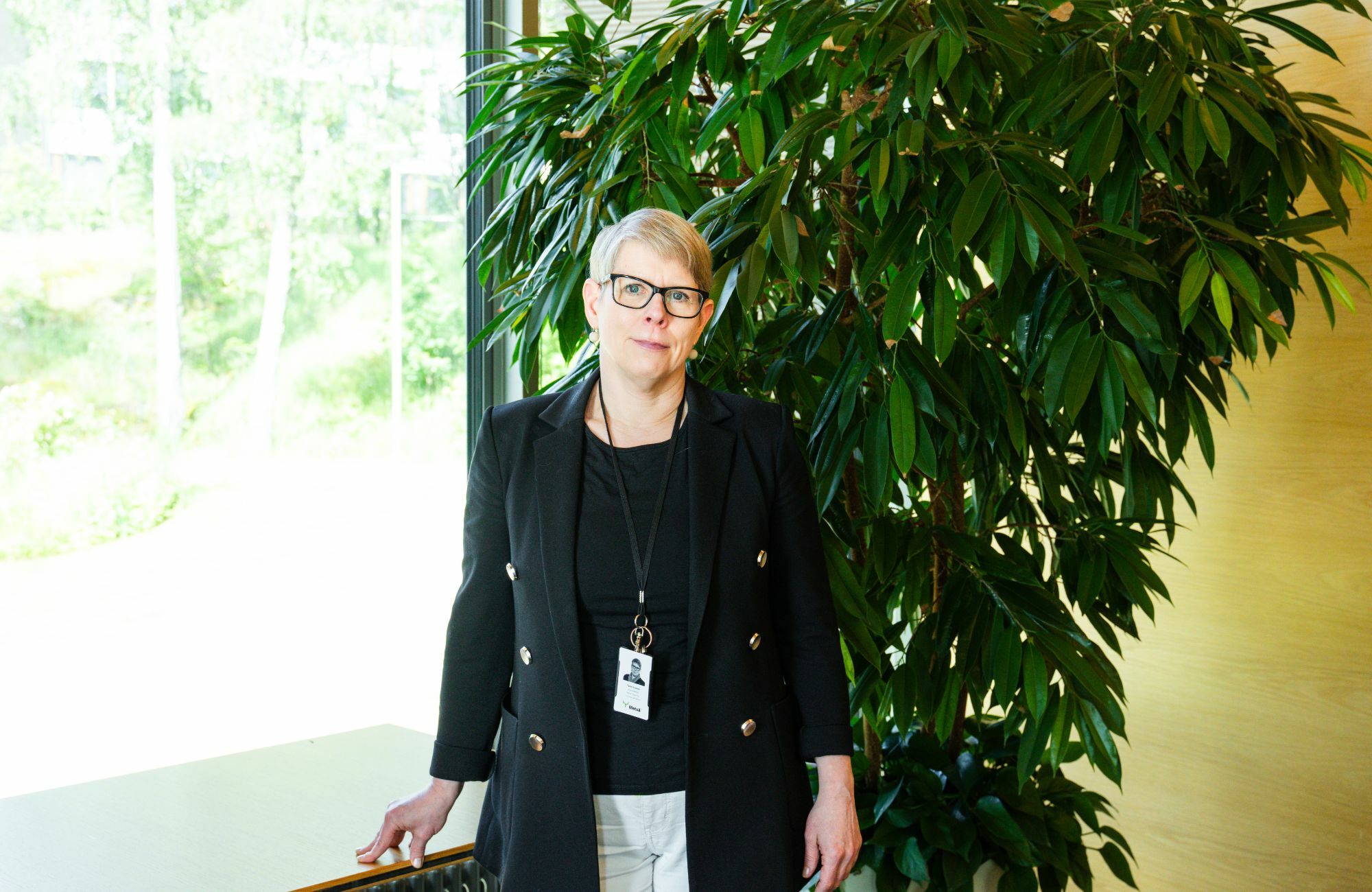
At Metsä Tissue, reporting had long been developed by a small in-house team. To ensure continuity and strengthen the development work, the company sought a partner that could bring structure and systematic practices. Greenstep’s experts responded quickly to the need and brought much-needed clarity to the work. With the support of Greenstep’s interim specialists, reporting has been developed in an agile and professional way.

Data-driven leadership isn’t just a technical upgrade - it’s a shift in mindset. When an organization wants to use data to support decision-making, the challenge isn’t just about BI tools or KPIs. It’s about people, emotions, and habits. That’s why real data-driven leadership requires a change in culture.

Artificial intelligence has become the boardroom buzzword of the decade. Every week, headlines announce a new breakthrough, and executives are asked, “How are we using AI?” The pressure is real, but so is the risk of rushing in without preparation.

Process mining promises a lot: transparency into processes, fact-based improvements and automation-driven efficiencies. Yet many organisations only get lukewarm results because they forget one key thing: it's not about the tool. It's about changing how we work.

Process mining is a powerful tool, but as it is with a lot of technologies, it's full potential is often unreached. A lot of organisations kick off with a lot of confidence and enthusiasm, but end up disappointed when the expected ROI is not reached. Why does this happen?

Most companies don't lack process diagrams - they're a plenty. The real issue is that they often depict ideal workflows rather than what actually happens. Everyday exceptions, delays and unnecessary steps tend to go unnoticed if development efforts are based only on models or assumptions. Process mining brings much-needed visibility into this gap.